Daily Habit
1/4
Start with Short Sessions
If you're new to exercise, break movement into 10–15 minute blocks throughout the day. Short sessions are easier to fit in and build consistency.

Everyday health starts with movement
Simple, sustainable activities that boost energy, mood, and overall wellbeing
Aim for 20–30 minutes of moderate activity most days — walking, cycling, swimming, or bodyweight exercises. Start where you are and build consistency.
Pair regular activity with good sleep, hydration, and balanced meals to support long-term fitness and resilience

Moving regularly supports heart and lung health, improves mood and sleep, boosts energy, and helps manage weight. Even modest increases in daily activity can lower the risk of chronic conditions like type 2 diabetes and high blood pressure, and contribute to better mental wellness.

Aim for at least 150 minutes of moderate aerobic activity per week (brisk walking, cycling) or 75 minutes of vigorous activity (running, fast cycling), plus strength training for major muscle groups two or more days a week. Short bouts of activity (10–15 minutes) add up—start small and build gradually. If you have chronic health issues, check with your healthcare provider before beginning a new program.
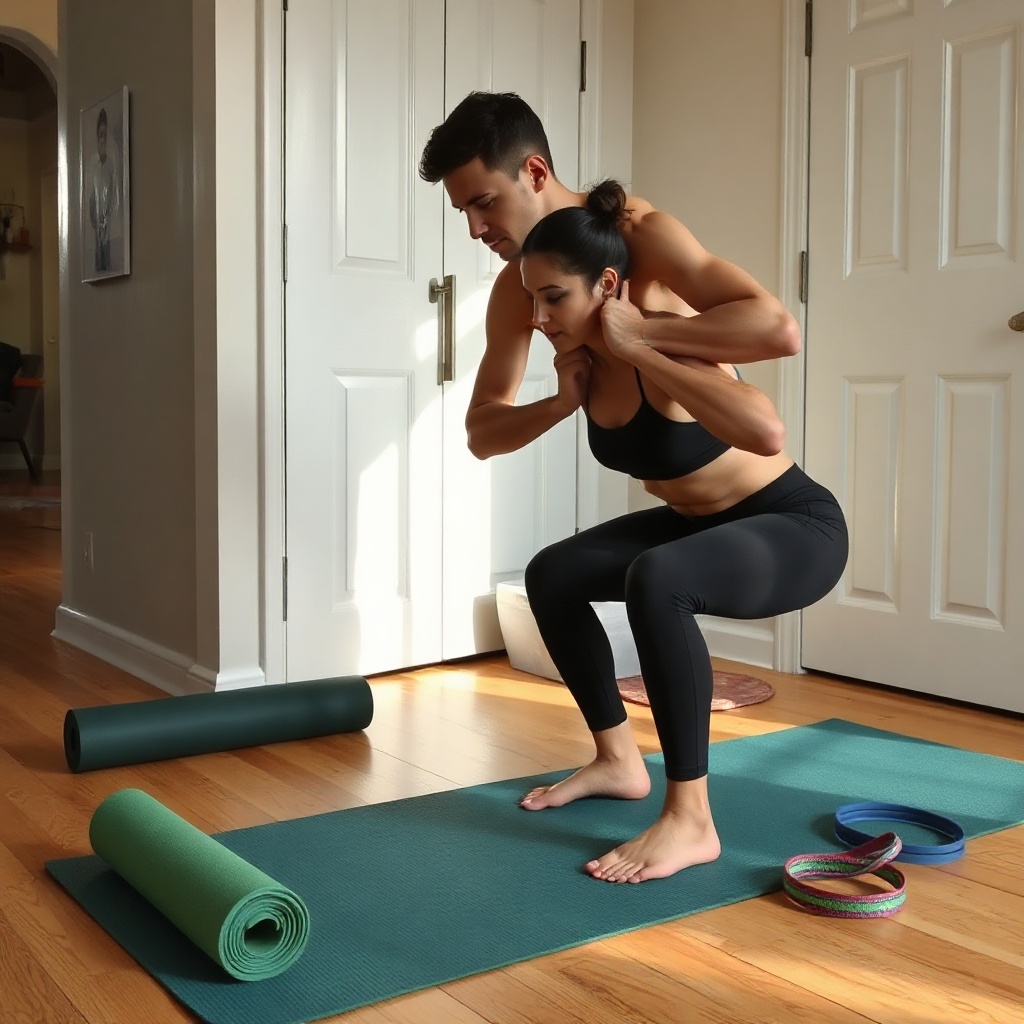
Include three types of movement: aerobic (walking, swimming, cycling) for endurance, strength (bodyweight exercises, resistance bands, weights) to maintain muscle and bone health, and flexibility/balance (stretching, yoga, tai chi) to improve mobility and reduce fall risk. Mix activities you enjoy so exercise feels sustainable and fits your schedule.

Warm up before intense activity and cool down afterward. Progress intensity and duration gradually to avoid injury, wear appropriate footwear, stay hydrated, and get enough rest. Pay attention to pain and unusual symptoms—stop and seek medical advice if something feels wrong. Set realistic goals, track small wins, and build habits that make activity a regular part of your day.
Health & Activity
Regular physical activity supports heart and lung health, boosts mood and energy, and helps maintain strength and mobility. Small, consistent changes—like short daily walks, strength sessions, and proper recovery—add up. Start at your own pace and choose activities you enjoy.
If you're new to exercise, break movement into 10–15 minute blocks throughout the day. Short sessions are easier to fit in and build consistency.
Choose brisk walking, cycling, swimming, or similar activities that raise your heart rate. Aerobic exercise supports cardiovascular and mental health.
Include resistance exercises for major muscle groups—bodyweight moves, free weights, or machines—to preserve muscle and bone health as you age.
Allow time for sleep, stretching, and light recovery days to reduce injury risk and help your body adapt to activity.
These are general recommendations. For personalized guidance, especially if you have chronic conditions or recent injuries, consult your healthcare provider or a certified fitness professional.
Regular physical activity is a key part of overall health. Moving your body daily supports cardiovascular fitness, builds and preserves muscle and bone strength, improves mood and sleep, and helps you manage weight.
The benefits of staying active include increased energy, better balance and flexibility, reduced stress, and a lower risk of some chronic conditions. Incorporating a mix of aerobic, strength, and mobility work can produce wide-ranging wellbeing effects over time.
To get started, set realistic goals and begin gradually. Public health guidelines suggest about 150 minutes of moderate-intensity activity per week (or 75 minutes of vigorous activity) plus strength training on two or more days, but adjust these targets to fit your fitness level and schedule.
Stay safe and consistent by warming up, cooling down, staying hydrated, and using proper footwear. Vary your activities to prevent overuse injuries and keep motivation high, and check with a healthcare provider before beginning a new exercise program if you have chronic health issues or specific concerns.